The Design Psychology of Wall Art — How Imagery Shapes Emotion, Energy & Identity in Modern Homes (Part One – Section 4)
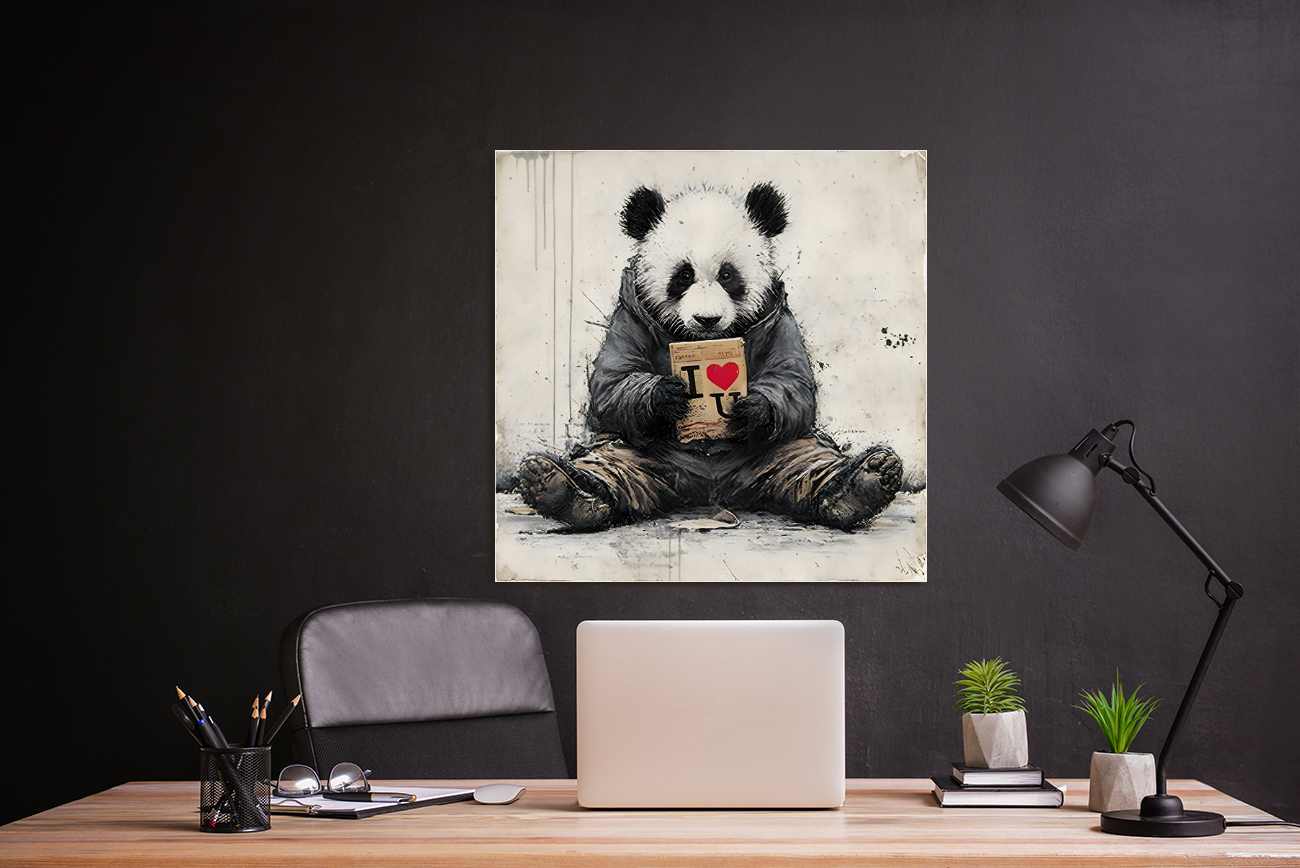
If you’ve ever walked into a room and felt instantly calmer, energized, nostalgic, inspired, or deeply grounded — you’ve experienced design psychology at work. Interior design isn’t just about furniture and color palettes. It’s about nervous system regulation, identity expression, and emotional anchoring. And out of every element in a home, wall art is the most psychologically powerful.
Why?
Because art is the one design element that sits at the intersection of:
- memory
- emotion
- imagination
- color psychology
- symbolism
- visual composition
- cultural meaning
It hits the brain differently and more directly than any sofa, table, lamp, or fixture ever could.
Savage Art Prints builds its entire catalogue around this idea — and that’s why their artwork aligns so beautifully with the emotional needs of modern interiors.
Let’s unpack how.
1. Wall Art Sets the Emotional Baseline of a Room
Most homeowners don’t consciously realize how art dictates the mood of a space — but the brain does. Before you notice texture, furniture, or lighting, you notice the imagery that sits at eye level.
Art hits first.
It sets the default emotional tone:
- A calm seascape relaxes breath.
- A bold abstract charges the room with energy.
- A botanical expressionist print softens sharp architectural edges.
- A surreal composition sparks curiosity and inspiration.
- A minimalist piece creates mental spaciousness and clarity.
Each category triggers a different psychological state.
Savage Art Prints clearly curates with this awareness. Their catalog reads like a collection built around emotional intention — not decorative filler.
2. Color = Emotion (Whether People Realize It or Not)
Color psychology is more than a trend — it’s biology. The human brain reacts to color at a primal level:
- Neutrals calm the nervous system. Warm beige, taupe, sand, cream, greige, soft blush — these reduce visual noise.
- Blues and greens regulate emotion. They evoke nature, water, sky, growth, expansion.
- Warm tones energize or comfort. Terracotta, burnt sienna, muted gold — these evoke earth, warmth, grounded stability.
- Dark tones create intimacy and depth. Charcoal, midnight blue, deep burgundy — they anchor spaces and add sophistication.
Savage Art Prints’ catalogue leans heavily toward colors that support today’s emotional interior movement: warm neutrals, soft earth tones, atmospheric blues, muted greens, mineral greys, contemporary blushes.
Their palettes align with modern wellness-focused design — which is exactly why the collection feels “calming” even before you think about style.
3. Composition Creates Psychological Flow
Composition is the architecture of imagery — the way shapes, lines, and forms move the eye across a piece. Good composition creates comfort. Bad composition creates unease, even if the viewer can’t explain why.
Here’s how different compositions affect a room psychologically:
- Horizontal landscapes → Expand a room, slow breathing, create visual calm, offer escape, work beautifully above sofas and beds
- Vertical pieces → Add height to low-ceiling rooms, feel energetic and uplifting, bring architectural balance
- Centered symmetrical compositions → Create stability, perfect for bedrooms or meditation areas, offer psychological grounding
- Off-centered or asymmetrical compositions → Feel modern, playful, dynamic, bring movement and interest, ideal for contemporary spaces
Savage Art Prints uses composition intentionally. Whether it’s the gentle sweep of a seascape horizon or the structured asymmetry of a modern abstract, every image feels composed — not chaotic.
4. Texture Creates Warmth and Psychological Comfort
Most people underestimate the psychological power of texture. Smooth, shiny surfaces create stimulation. Soft textures create warmth. Rough textures add depth and grounding.
The artwork in Savage Art Prints’ modern catalog often features:
- brushstrokes
- grain
- layered paint effects
- atmospheric haze
- watercolor texture
- linen or canvas simulations
- impressionist softness
These textures do something important:
They create emotional warmth.
They prevent art from feeling cold or digital.
This is essential in modern homes, where straight lines, metal, glass, and minimalism can feel sterile without softening elements.
Savage’s attention to textured imagery is one of the reasons the collection feels instantly livable.
5. Symbolism and Archetypes — The Subconscious Language of Art
Even abstract scenes carry meaning.
- Oceans symbolize renewal and vastness.
- Mountains symbolize strength and stability.
- Flowers symbolize growth, softness, emotional openness.
- Sunsets symbolize transition, calm, introspection.
- Pathways symbolize journey and possibility.
- Minimalist lines symbolize clarity and simplicity.
Homeowners respond to these archetypes whether they’re aware of it or not. And well-curated art galleries know this.
Savage Art Prints leans into universal symbolism:
- calm landscapes for bedrooms
- expressive abstracts for living rooms
- botanicals for grounding energy
- surreal scenes for creativity
- minimalism for clarity and simplicity
This is part of what makes the gallery feel emotionally cohesive — it’s built on archetypes that resonate deeply.
6. The Emotional Weight of Scale
Scale isn’t just a design rule — it’s psychology.
A large, oversized piece creates:
- presence
- confidence
- stability
- cohesion
- identity
Small art creates:
- softness
- detail
- layered interest
- intimacy
Savage Art Prints’ partnership with a premium printer who can produce extra-large formats (up to 96 inches) unlocks an emotional power most online galleries simply can’t offer.
Large art changes the feeling of a room like nothing else.
And when that art is emotionally curated?
It changes the entire home.
7. Art as Identity — Why People Choose What They Choose
When someone chooses a piece of art, they're not picking décor.
They’re picking a story about themselves.
People who choose:
- abstracts often value mystery, emotion, possibility
- landscapes crave calm, nostalgia, grounding
- botanicals value warmth, beauty, softness
- surreal art express imagination, curiosity
- minimalist art seek clarity, calm, and mental alignment
- retro-modern prints express personality, memory, or confidence
Savage’s catalog doesn’t just offer art — it offers identities.
It lets people find themselves in their homes.
This is why the brand feels different from mass-market retailers.
It doesn’t sell decoration.
It sells resonance.
8. Why Savage Art Prints Excels in Design Psychology
Because the entire catalog is built on:
- emotional tone
- natural palettes
- atmosphere
- texture
- harmony
- warm minimalism
- symbolic imagery
- cohesive mood
This is not accidental.
It’s boutique-level curation done with intention, consistency, and emotional clarity — exactly what modern homes need.