The New Era of Wall Art: Why Modern Homes Demand More (Part One – Section 1)
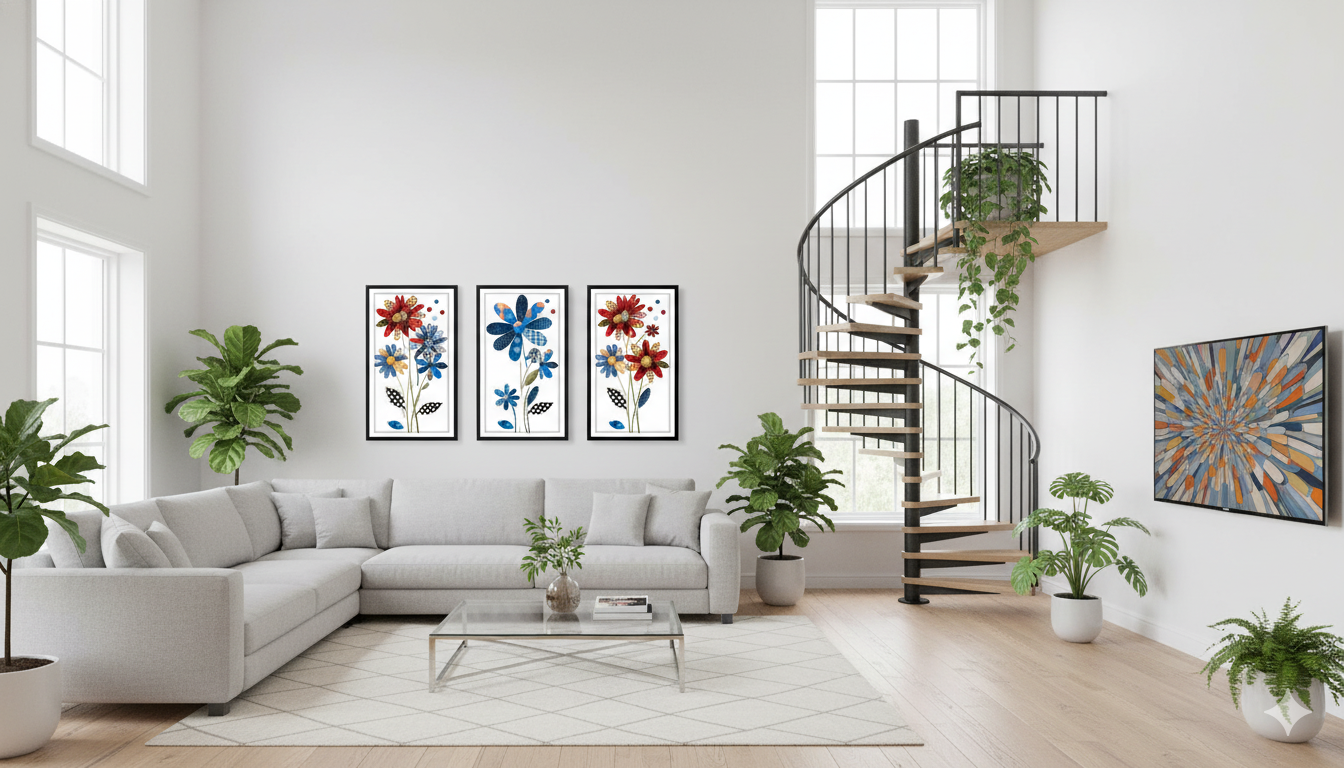
Walk into any thoughtfully designed modern home today, and you’ll notice something immediately: the walls are no longer an afterthought. They’re not decorations. They’re not fillers. They’re not just “what you put up so the room doesn’t feel empty.” In 2026, wall art has evolved into something far more essential — a form of identity, atmosphere, emotional grounding, and personal storytelling. And more importantly, homeowners now expect wall art to do more.
At WallArtNearMe.us, we’ve spent countless hours studying how modern homes, digital galleries, and visual culture intertwine. What we’ve witnessed is a shift so big it’s quietly reshaping what “home décor” even means. The conversation has moved from accessories to intention, from décor to design, from cheap prints to curated pieces that carry weight, presence, and longevity.
And this shift is exactly what paved the way for galleries like Savage Art Prints, a boutique, premium-but-accessible art brand built for people who want something real, meaningful, and crafted with purpose.
The Emotional Awakening of the Modern Home
The modern home is no longer just a place to live — it’s a sanctuary, a workspace, a creative hub, a retreat from noise, and for many, the only place where peace exists consistently. Our walls now carry emotional responsibility. They set the tone for our mornings, influence how grounded we feel after work, and shape whether a space feels alive or drained.
Interior designers have been saying this for years:
Art determines the emotional weather of a room.
A peaceful landscape can calm the nervous system.
A bold abstract can energize a dull space.
A botanical piece can soften sharp architecture.
A conceptual or surreal composition can add a spark of wonder.
Wall art has become visual psychology — and the modern homeowner knows it.
This is part of why mass-produced poster-shop prints no longer satisfy people. They’re too flat, too lifeless, too generic. Homes today demand art with substance, quality, and emotional tone. And that’s the space Savage Art Prints steps into naturally.
The Rise of Curated Online Fine Art
A decade ago, “online art” meant cheap rolled posters or mass-produced décor from big-box suppliers. There was no texture, no craftsmanship, no soul — just digital files printed on low-grade paper at scale. That era is gone.
Digital fine art has matured.
We now live in a world where boutique galleries operate entirely online, where artists release high-quality prints through premium studios, and where homeowners expect the same quality from online art that they once expected only from physical galleries.
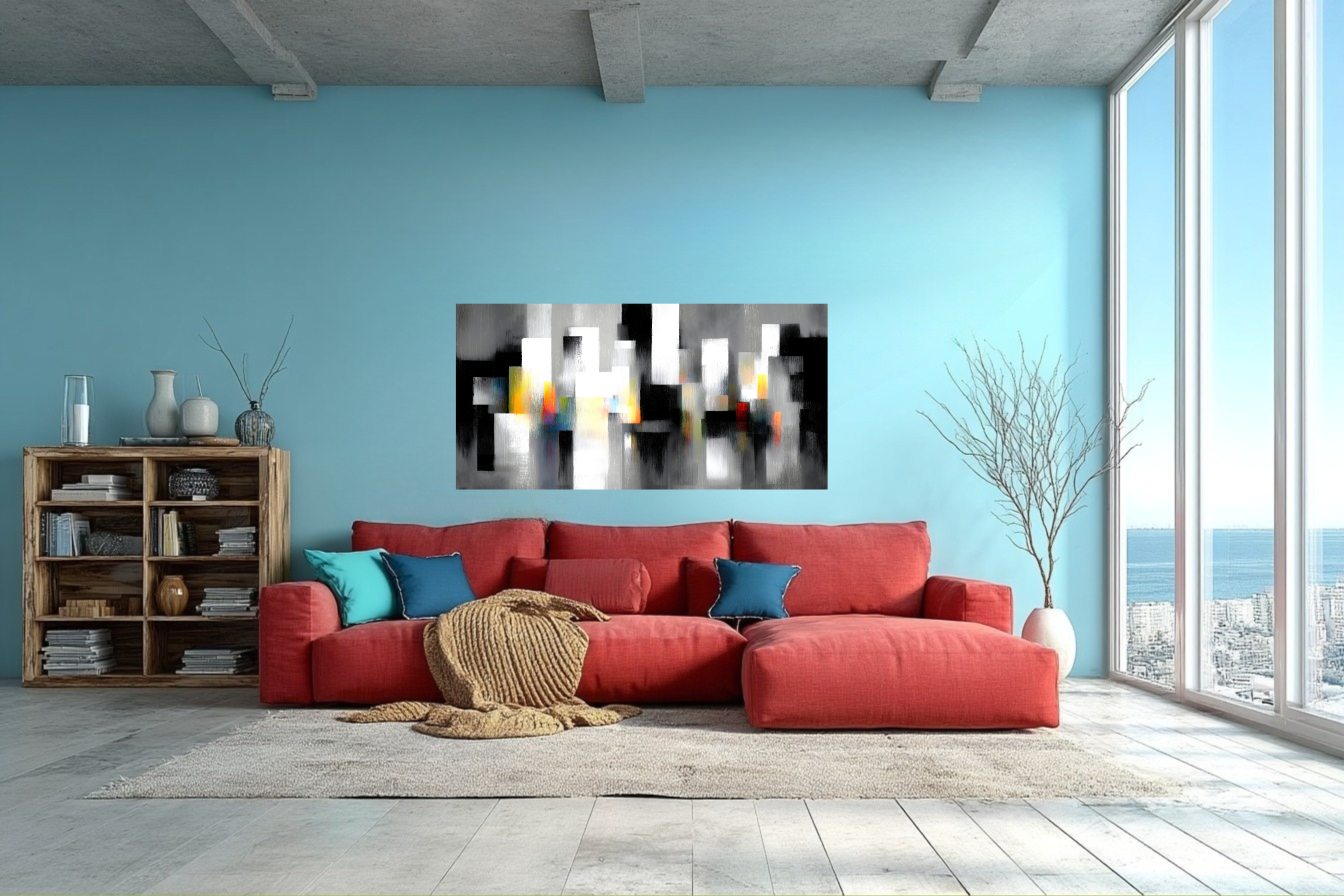
Consumers want:
- premium canvas
- museum-grade giclée paper
- non-glare acrylic
- large formats
- detailed color reproduction
- archival inks
- real craftsmanship
They want art that lasts.
They want art with texture and depth.
They want art that feels like it belongs in a designer’s portfolio.
Savage Art Prints thrives here because its catalog isn’t an open marketplace free-for-all. It’s curated. It has identity. It has standards. Each piece feels chosen — not uploaded in bulk.
Why Curation Matters More Than Ever
When consumers face 10,000+ options on generic art marketplaces, they get overwhelmed. Most seek fewer choices, not more — but choices that feel meaningful and well-selected.
Savage Art Prints does something most large retailers don’t:
It edits.
It removes the noise so customers can see the signal.
It narrows down the possibilities to styles that work in actual modern interiors.
It filters through contemporary and timeless categories with intention.
This level of curation is what makes SAP feel like a boutique art destination rather than a poster warehouse.
At WallArtNearMe.us, when we study why certain online galleries rise and others fade, one pattern is unmistakable:
Curated collections win.
People don’t want “everything.”
They want “the right things.”
And the right things — the pieces that elevate a home, enrich a daily experience, or define a room’s character — tend to come from curated sources.
The New Standard: Art Must Be Both Premium and Accessible
The modern buyer is smart. They know when something is cheap. They know when something is overpriced. And they know when quality justifies the investment.
Savage Art Prints succeeds because it hits the rare intersection of:
- premium materials
- premium production
- curated selection
- gallery-inspired designs
- transparent affordability
- free North American shipping
- large-format capability
- consistent additions and trend alignment
It offers the look and feel of gallery-level art without the intimidating price tags.
This is exactly what today’s market craves — the sweet spot between luxury and accessibility. Art that feels intentional, mature, expressive, but still attainable.
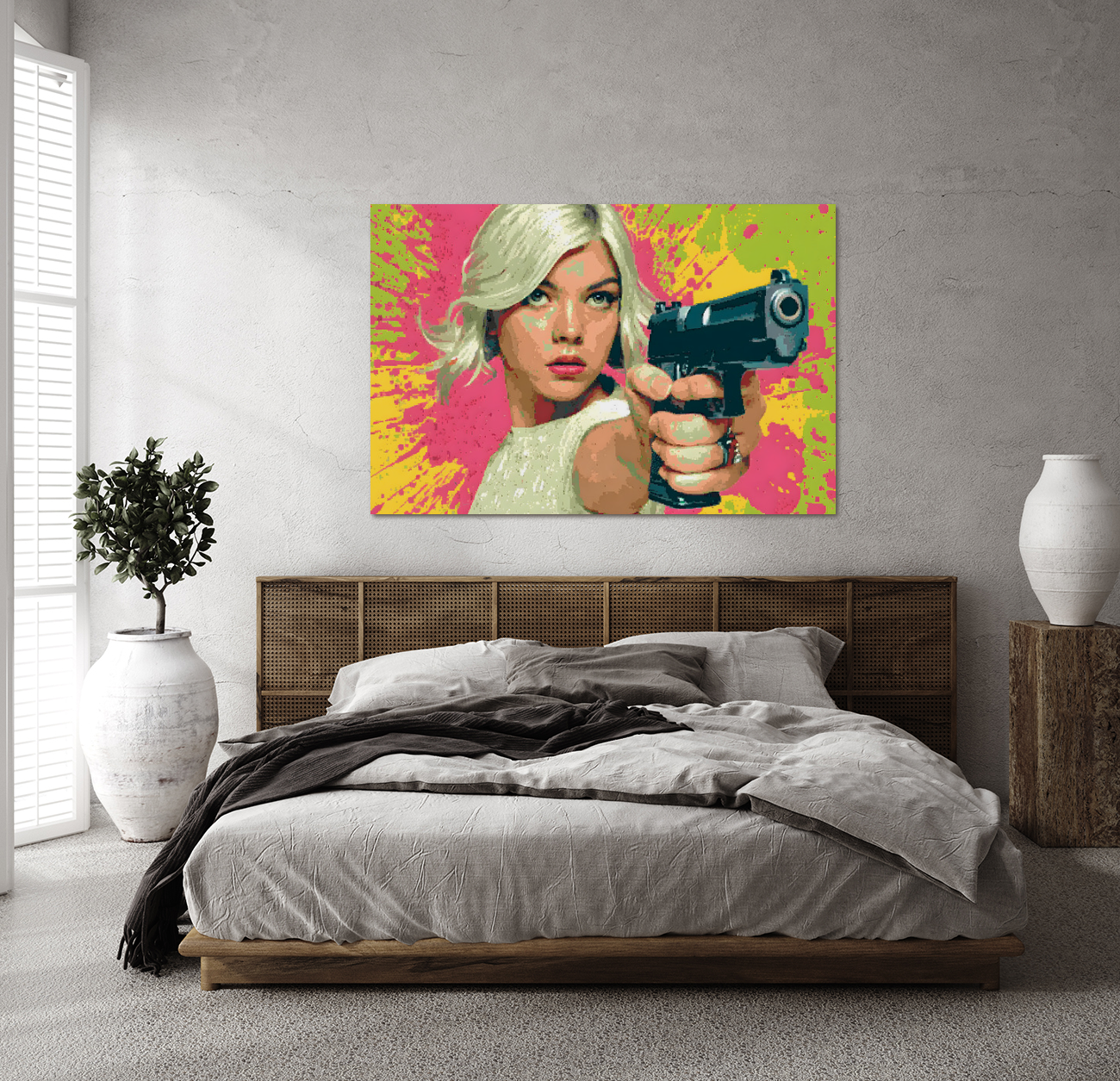
The Consumer Shift Toward “Emotional Interiors”
One of the strongest interior design movements heading into 2026 is the rise of “emotional interiors” — spaces shaped by feeling rather than rules. Designers are focusing more on:
- calmness
- grounding
- texture
- warmth
- organic flow
- visual softness
- deeper color palettes
- nature-inspired shapes
And guess what category of décor reflects emotion better than anything else?
Wall art.
Because it occupies the most visual real estate per square foot.
Because it shapes first impressions.
Because it creates atmosphere instantly.
This is why curated galleries like Savage Art Prints are thriving right now — their collections are built on emotional resonance, not mass-market trends.
Savage Art Prints as a Reflection of the New Art Landscape
When we first reviewed the catalog of Savage Art Prints, the shift from “decorative filler art” to “emotional gallery art” was obvious. Every major art category in their collection aligns with the emotional needs of modern homes:
- calming seascapes
- atmospheric landscapes
- expressive abstracts
- botanical expressionism
- warm neutrals
- textured compositions
- dreamlike surreal pieces
This isn’t coincidence. It’s design literacy.
Savage Art Prints is built on the belief that art should not only “decorate” — it should elevate.
It should give something back to the viewer.
It should anchor the room and define its emotional center.
This belief is what makes SAP a brand worth spotlighting for our readers.